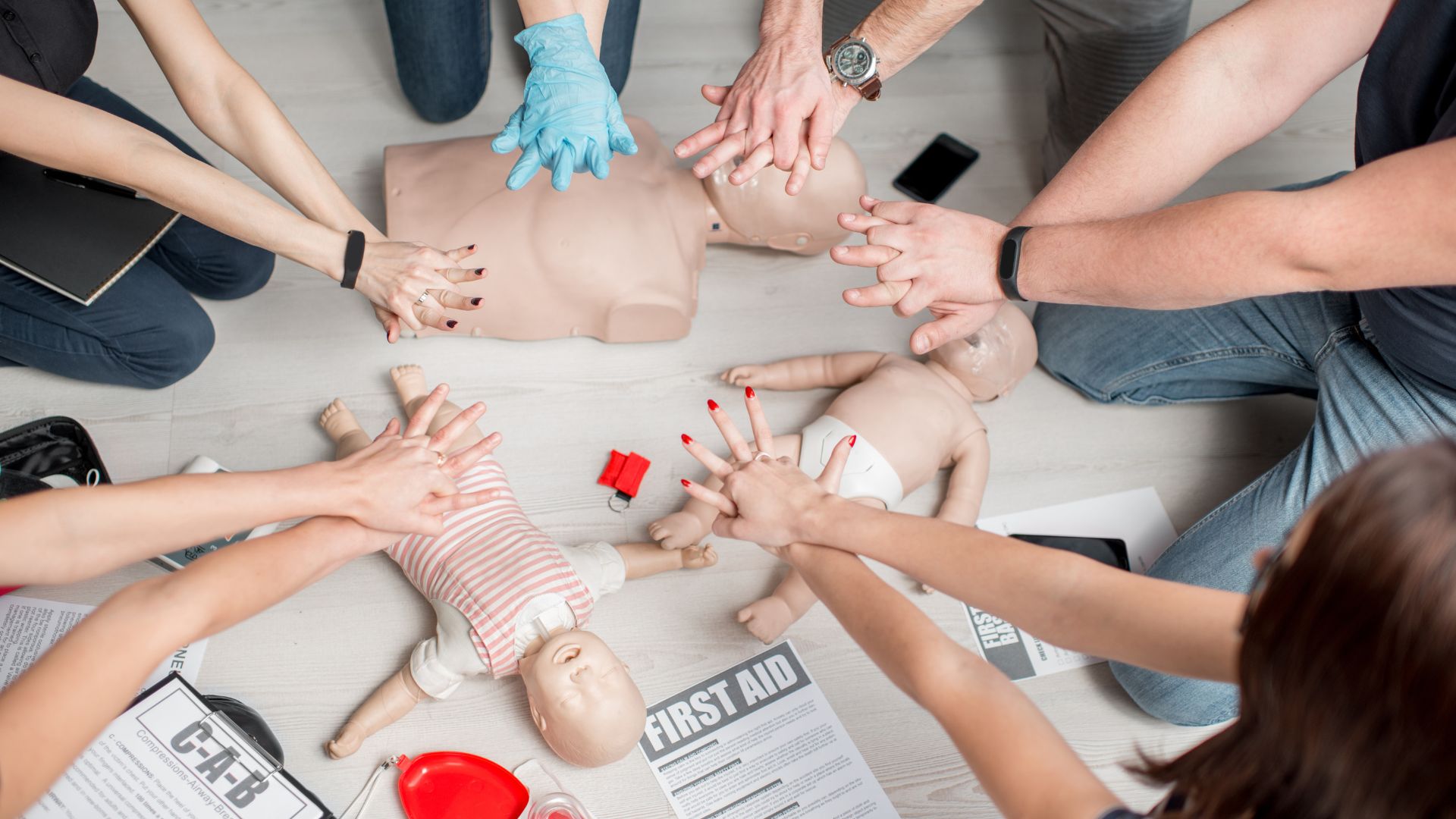
When most people think about CPR, they imagine hospital emergencies or paramedics in action. However, cardiac arrest doesn’t always happen in medical settings—it can occur anywhere, at any time. A loved one, coworker, or even a stranger at a store might collapse suddenly, and immediate response can make all the difference. In these moments, basic CPR knowledge turns ordinary people into life-savers. Understanding how and when to act ensures more lives are saved before professional help arrives.
Why CPR Matters Everywhere
Cardiac arrest occurs when the heart stops beating effectively, cutting off oxygen to the brain and organs. Without intervention, permanent damage or death can occur within minutes. CPR (Cardiopulmonary Resuscitation) helps keep oxygenated blood flowing until medical assistance takes over. Although emergency response teams are trained to handle such cases, the critical first few minutes belong to bystanders. A community where more people know CPR is a community with stronger survival chances.
At Home: Protecting Loved Ones
Statistics show that most cardiac arrests happen at home, often witnessed by family members. It could be a parent collapsing while watching TV, a child choking, or a grandparent losing consciousness after a heart episode. Knowing how to perform CPR can stabilize their condition long enough for professionals to arrive. Family members who take time to learn these skills transform their homes into safer environments. Immediate chest compressions can preserve brain function and drastically improve survival outcomes.
In the Workplace
Offices, warehouses, and retail spaces are not immune to medical emergencies. Stress, long hours, or underlying health issues can lead to sudden cardiac events among employees or customers. Having someone trained in CPR ensures that help starts immediately while waiting for paramedics. Many organizations now make CPR certification part of workplace safety standards, understanding that one prepared employee can save a colleague’s life.
In Public Spaces and Gyms
Gyms, swimming pools, and sports facilities are high-risk environments where cardiac arrest and other emergencies can occur due to physical exertion. People who collapse during exercise or experience irregular breathing need rapid assistance. Fitness instructors, lifeguards, and even fellow gym-goers who know CPR can respond effectively, bridging the gap before an AED (Automated External Defibrillator) or emergency responders arrive. Public access to AEDs further increases the odds of survival when paired with immediate CPR.
On the Road
Accidents can happen in an instant. Whether it’s a car collision or a pedestrian struck unexpectedly, victims may stop breathing or lose consciousness. In these situations, knowing CPR is invaluable. Before medical help reaches the scene, bystanders who act quickly can sustain life through compressions and rescue breaths. CPR training also teaches people how to assess danger safely and provide help without putting themselves at risk.
In Schools and Playgrounds
Children and teenagers are active, and while severe emergencies are rare, they can happen during sports, swimming, or sudden cardiac conditions. Teachers, coaches, and parents who know CPR are better equipped to act quickly and confidently. Training school staff and older students builds a safer learning environment and prepares future generations to handle emergencies responsibly. Programs such as Edmonton First Aid Training make learning these essential skills accessible to everyone, regardless of age or experience.
During Travel or Outdoor Activities
Travel often takes people far from medical facilities. Whether hiking, camping, or exploring rural areas, access to emergency services may be delayed. Knowing CPR in these situations can sustain a victim until professional care becomes available. Outdoor enthusiasts who travel in groups or participate in adventure sports should always ensure someone in their team is CPR-trained. This simple precaution turns recreation into a safer experience for everyone involved.
When Caring for the Elderly
Elderly individuals face higher risks of cardiac arrest due to heart disease, stroke, and other chronic conditions. Caregivers, family members, and home aides should be prepared to recognize early signs of distress and begin CPR if necessary. In residential facilities, CPR-trained staff can intervene instantly, preventing avoidable tragedies. Even in private homes, preparedness can be the difference between recovery and irreversible loss.
In Community Events and Gatherings
Concerts, festivals, and local events bring together large crowds. With so many people in one place, the chances of medical emergencies increase. Quick action from a trained bystander can keep a victim alive while paramedics navigate through dense crowds. Organizers who ensure staff and volunteers receive CPR instruction contribute significantly to community safety and emergency readiness.
Removing Myths About CPR
Many people hesitate to perform CPR because they fear doing it incorrectly or causing harm. In reality, any attempt is better than none. Even hands-only CPR—compressions without rescue breaths—can maintain circulation until professional help arrives. Training programs emphasize that effectiveness comes from confidence and speed, not perfection. By normalizing CPR practice and dispelling misconceptions, more people will be willing to step in during emergencies.
Conclusion
Basic CPR training is one of the most valuable skills a person can learn. Emergencies don’t wait for professionals, and the ability to act in those critical first minutes can determine whether someone lives or dies. Everyday situations—from home to the workplace, from parks to highways—can become scenes where CPR makes the difference.
Communities that invest in training programs create safer environments for everyone. With proper education, awareness, and practice, ordinary people gain extraordinary power: the power to save a life. Whether it’s a loved one, a friend, or a stranger, knowing CPR means being ready when every second counts.