
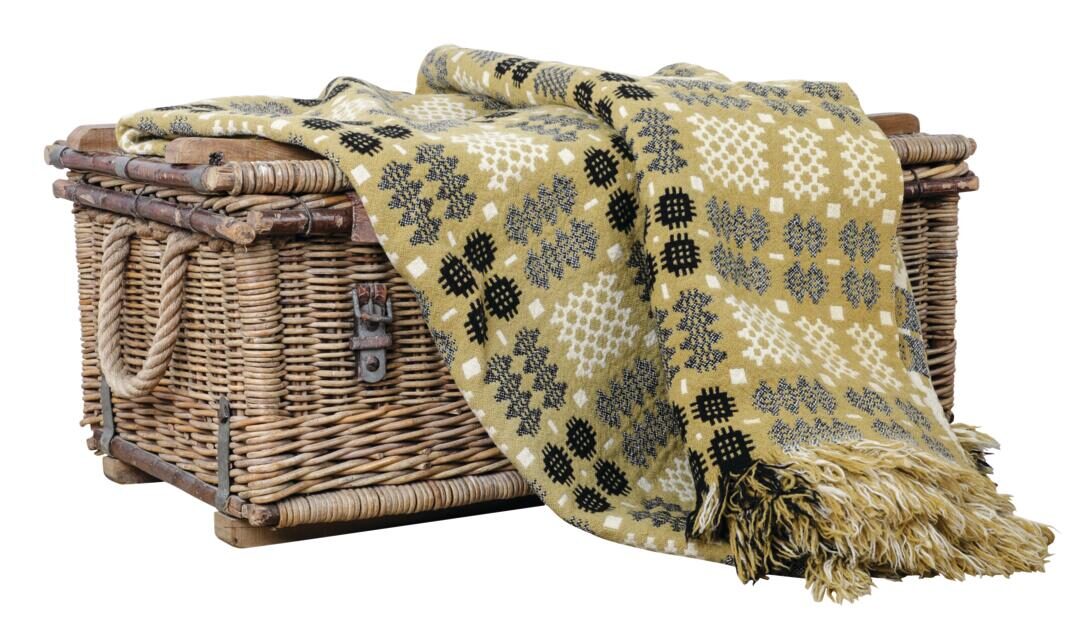
Few household items carry as much cultural depth as a blanket. In Wales, blankets are not just everyday essentials—they are works of art, symbols of identity, and threads connecting past to present. Welsh blankets and British wool blankets tell stories of families, traditions, and communities that span centuries.
A Legacy of Craftsmanship
For generations, weaving has been a vital part of Welsh life. Mills powered by rivers and streams produced textiles that kept families warm through harsh winters. Every traditional Welsh blanket represented more than comfort—it was proof of skilled hands, resourcefulness, and cultural pride.
The Caernarfon and Penmachno designs are two examples of classic patterns still admired today. Their bold, geometric motifs reflect centuries of tradition while continuing to inspire modern interiors. Owning one of these designs is like holding a piece of history.
Wool: The Heart of the Tradition
At the core of this heritage lies wool. Sheep farming has long been a cornerstone of the British countryside, and wool remains one of the most sustainable natural fibers. British wool blankets carry this legacy forward, offering durability, breathability, and warmth that no synthetic fabric can match.
Wool’s ability to regulate temperature made it invaluable in households across Wales. Families relied on blankets to keep warm at night, and these blankets often became cherished heirlooms, passed down from one generation to the next.
The Role of Blankets in Family Life
For centuries, blankets for babies have symbolized care and protection. Parents wrapped their newborns in soft, breathable baby blankets made from wool, knowing the natural fibers would provide comfort and safety. To this day, giving a wool blanket as a baby gift carries deep meaning—it represents warmth, security, and continuity of tradition.
Survival and Sustainability
Traditional weaving communities in Wales didn’t just create textiles for beauty; they created them out of necessity. Every Welsh wool throw was a product of local resources, woven with care, and designed to last. This emphasis on durability aligns with modern values of sustainability.
Today, choosing a traditional Welsh blanket means choosing an eco-friendly alternative to synthetic materials. Wool is renewable, biodegradable, and naturally resilient—qualities that make it just as relevant now as it was centuries ago.
The Modern Revival
While the industrial revolution and changing markets once threatened this craft, there has been a revival in recent decades. Artisans and small businesses are working tirelessly to preserve weaving traditions, blending historical patterns with contemporary colors. This fusion of past and present ensures that Welsh blankets remain both relevant and revered.
Why These Blankets Endure
The continued appeal of British wool blankets lies in their balance of function and story. They are warm yet breathable, practical yet elegant. More importantly, they carry with them a sense of heritage. Each time you wrap yourself in a wool throw, you’re experiencing centuries of tradition woven into every thread.
Final Thoughts
Blankets are more than fabric—they are storytellers. The story of Welsh blankets is one of resilience, artistry, and cultural pride. From baby blankets gifted at birth to Welsh wool throws that decorate modern homes, these textiles remain timeless symbols of warmth and belonging.
For those who want to bring a piece of this history into their homes, authentic collections like those at Dinefwr Blankets keep the heritage alive, one weave at a time.