
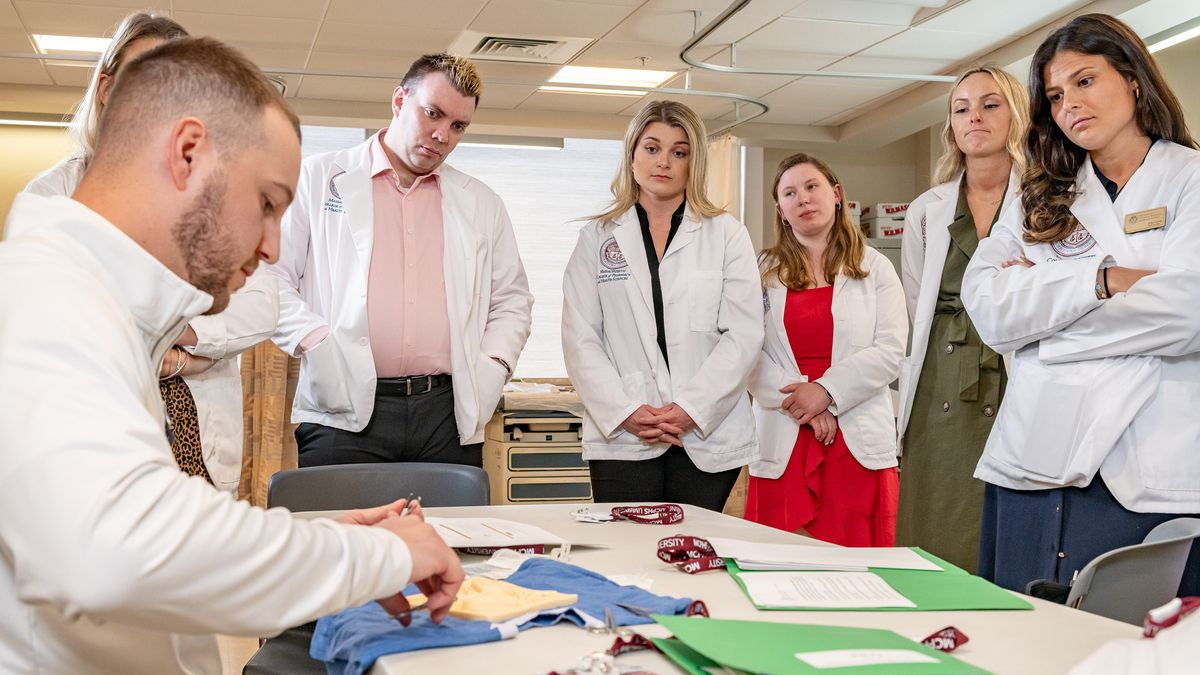
Becoming a psychiatric mental health nurse practitioner is a major accomplishment in itself; however, moving from academic education to actual practice can be quite daunting. Many individuals look for further educational opportunities that will help them increase their confidence and develop their clinical skills. The program of a PMHNP Residency allows for such training in a systematic manner, where individuals get the opportunity to learn while under the supervision of skilled healthcare professionals.
With the increase in the number of individuals in need of mental health services, there has been an increased appreciation for those practitioners who have acquired both theoretical and practical knowledge.
Enhanced Clinical Experience
The primary benefit associated with participating in a residency program is the opportunity to get ample experience working in the field. Although graduate studies offer an excellent background, residency training provides participants with a chance to use their knowledge in different health facilities.
Residents get to interact with patients who suffer from various mental disorders, which helps them learn about different assessment strategies, become better planners of treatment plans, and understand more about patient care. Gained experiences can contribute to enhanced proficiency.
Enhanced Competence in Independent Patient Care
Recent graduates may lack confidence when making decisions on their own. The process of supervision within residency programs offers a solution to this problem.
Residents have the chance to interact with seasoned professionals, analyze difficult situations, get valuable advice, and enhance their clinical judgment. This leads to increased confidence in future practice.
Access to Professional Mentoring
Professional mentoring forms an important aspect of residency programs. Experienced psychiatry professionals have knowledge that goes beyond the field of medicine. Mentors tend to teach residents practical things like how to communicate effectively, lead, and build careers.
Good mentorship programs assist in dealing with various issues in the work environment, which helps in the professional development of residents. Learning from experienced clinicians tends to quicken the process of transitioning from being students to competent clinicians.
Better Career Prospects
Completion of residency programs increases one’s employability. Many organizations appreciate further training in terms of clinical practice.
Residents who complete their training in residency programs usually have superior clinical skills, enhanced decision-making skills, and preparedness to operate independently. Such traits can give residency program graduates the edge over other candidates seeking jobs in health facilities and private medical practices.
Improved Understanding of Collaborative Care
Treatment of mental illnesses can only be achieved by coordination among different healthcare providers. The residency will make the participants familiar with interdisciplinary teams that include psychiatrists, therapists, nurses, and social workers.
This way, the residents will learn how to communicate and collaborate as a team. Appreciation of different healthcare roles can lead to better patient management and efficient healthcare provision.
Conclusion
Enrolling in a PMHNP residency program after completion of academic study will yield many gains for future PMHNP specialists. This type of training will provide them with many advantages both for the present and the future. For those graduates who seek an easier way of becoming a competent specialist, a residency program is an ideal choice.