
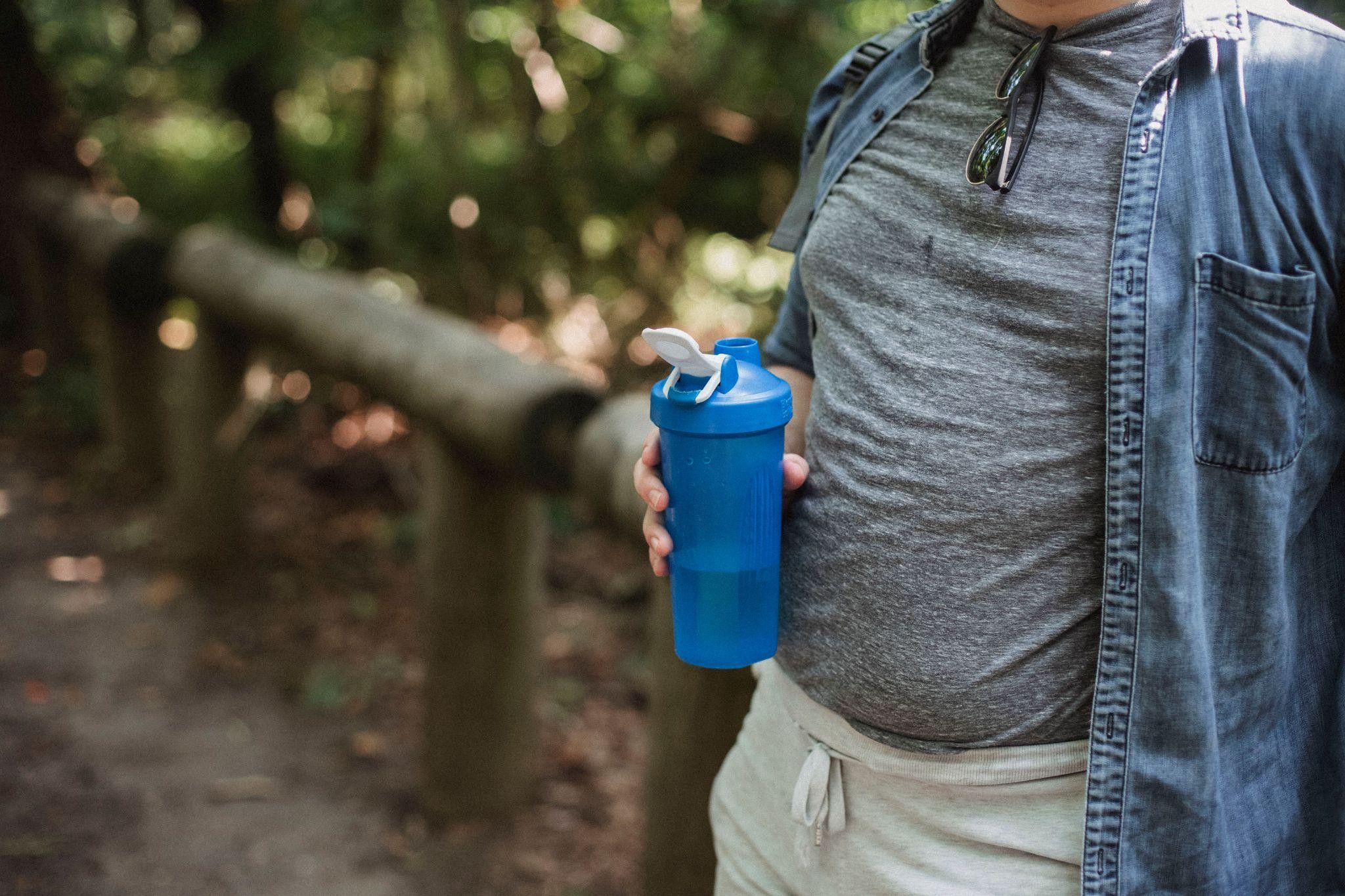
A man looks in the mirror. He sees a chest that feels wrong. The shape bothers him. Shirts fit awkwardly. He avoids the beach. He crosses his arms in photos.
This condition has a name. Gynecomastia. It affects a huge number of men. Up to one in three men deal with it at some point. The good news is help exists.
This article breaks down the causes and the fixes. No shame. Just facts.
What Exactly Is Gynecomastia?
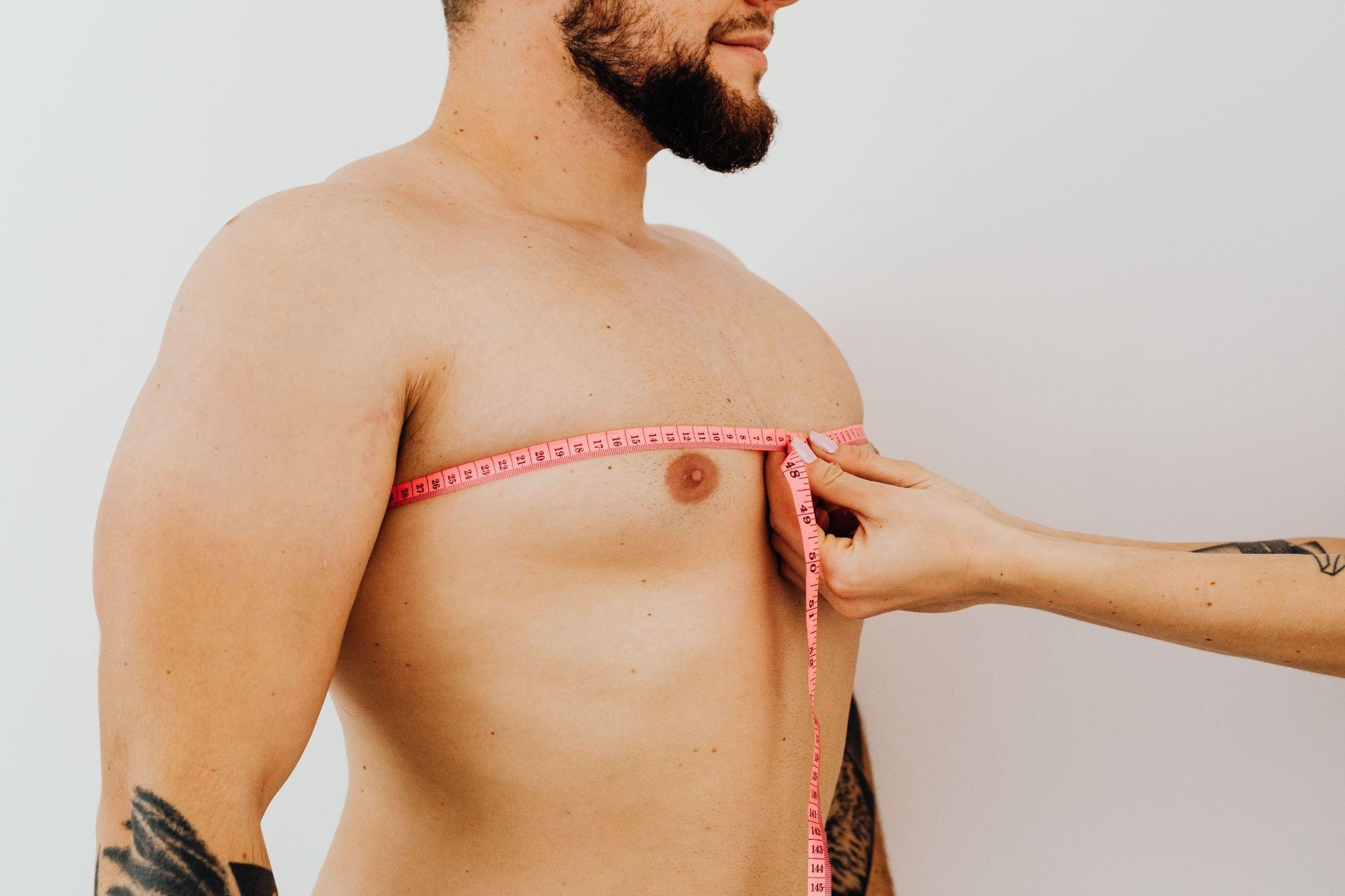
Gynecomastia is benign enlargement of male breast tissue. It comes from glandular growth. Not fat. This is an important difference. True gynecomastia involves firm tissue under the nipple. Pseudo-gynecomastia is just excess fat. The two look similar. But they require different solutions.
A doctor can tell the difference during an exam. The best gynecomastia surgery Toronto men can get targets the glandular tissue directly. That is the key to a flat chest. The procedure removes what diet and exercise cannot touch.
The Hormonal Culprit
Hormones drive this condition. An imbalance causes the trouble. Too much estrogen. Too little testosterone. The ratio gets thrown off. Then breast tissue grows. This happens naturally at certain life stages. Newborns experience it from mom’s hormones. Teen boys get it during puberty. Older men face it as testosterone drops.
These are physiological cases. They often resolve on their own. Pubertal gynecomastia usually clears up within two years. But sometimes it sticks around. When it persists, that is usually when men start looking for answers.
Medications and Lifestyle Triggers
Many drugs trigger gynecomastia. Over one hundred medications are on the list. Spironolactone for blood pressure. Antiandrogens for prostate cancer. Anabolic steroids for bodybuilding. Even some antidepressants and heart medications. Stopping the drug often reverses the growth.
But there is a catch. Once the tissue becomes fibrous, it stays. That is why catching it early matters. Lifestyle factors also play a role. Obesity is a big one. So is heavy alcohol use. Liver disease can cause it too. Marijuana use has also been linked to the condition.
When It Becomes a Problem
Most cases are harmless. They cause no physical pain. But the emotional toll is real. Men feel embarrassed. They suffer from low self-esteem. They avoid intimacy. They shy away from social events. The condition can cause genuine psychological distress.
Some men experience tenderness or pain. That discomfort is another reason to seek help. If the condition lasts more than twelve months, surgery is often the only option. The tissue becomes fibrous and resistant to medication. Waiting too long limits the non-surgical choices.
Treatment Without a Knife
Not every case needs surgery. Mild cases can often get better on their own. If a medication causes the problem, switching drugs helps. Treating an underlying illness can reverse the growth. Some doctors prescribe tamoxifen. This medication blocks estrogen effects. It works best for recent onset cases. But it is not always effective.
Weight loss helps with pseudo-gynecomastia. It does nothing for true glandular tissue. Once fibrosis sets in, medical treatments rarely work. That is the frustrating part for many men.
The Surgical Solution
Surgery is the definitive fix. The procedure removes the excess gland and fat. Liposuction sucks out fatty tissue. Excision cuts out the firm glandular material. Many cases require both techniques. The operation takes about one to two hours. Recovery involves a compression vest for a few weeks.
Most men return to work in just a few days. The results are permanent. Glandular tissue does not grow back. The chest looks flatter and more masculine. The psychological relief is immediate for most patients.
What to Expect From Recovery
The first few days bring swelling and bruising. That is normal. Discomfort is manageable with medication. A compression garment supports healing. Light activity resumes after two weeks. Full exercise takes about a month. Scars are small and discreet. They fade over time. The surgeon places incisions at the edge of the areola. This hides them well.
The final results take a few months to show. Patience is key. The effort pays off. A man finally feels comfortable in his own skin. No more hiding. No more shame. Just confidence. That is the real victory.