
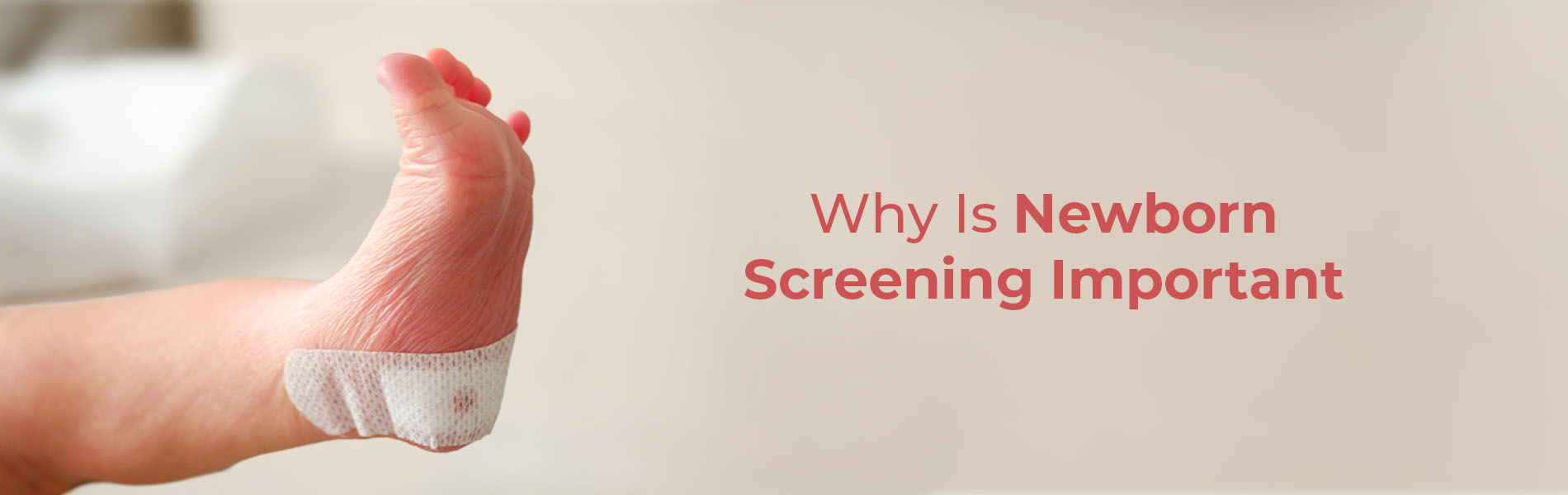
Did you know? About 1 in 500 babies are born with a genetic birth defect. Many of these defects may not be obvious at birth. And while some of these may affect your baby’s growth and development (Down Syndrome), others can be life-threatening. However, timely detection and early intervention go a long way in managing and treating such conditions.
That’s where a newborn screening test steps in. By helping detect tens of birth defects soon after birth, it allows parents to seek prompt corrective measures for their babies. This not only lowers the risk of mortality but also helps babies cope better in their journey through life.
In this blog, we’ll read more about the importance of newborn screening tests. And why it’s non-negotiable for every new parent. So dive in!
Types Of Genetic Birth Defects
The causes of birth defects in babies include:
1.Chromosomal Disorders
These disorders occur when your baby is born with fewer or an additional number of chromosomes. Often, chromosomal disorders result in a physical or mental disability in those affected. And while most of them start showing symptoms at birth, some become noticeable only later on.
2.Single-Gene (Monogenic) Disorders
These defects occur due to a problem with a single gene. These defects can either be passed on from parents to their children or can even develop spontaneously. Affected babies face digestive problems, circulatory issues or even problems with their lungs.
3.Multifactorial Genetic Disorders
In these disorders, genetics alone is not responsible. A combination of genetic makeup and environmental factors, such as nutrition, infections during pregnancy, or lifestyle habits, can contribute to their development. Because multiple factors are involved, identifying a single cause can be difficult.
4.Metabolic Genetic Disorders
Metabolic genetic disorders affect how a baby’s body processes nutrients like proteins, fats, or sugars. Babies often appear normal at birth, but symptoms may develop if the condition goes undetected. Early diagnosis through newborn screening allows timely dietary changes or treatment, thereby preventing long-term health issues.
5.Mitochondrial Disorders
These disorders occur when there is a problem in the mitochondria. Mitochondria are cellular organelles which are responsible for producing energy in the body’s cells. When energy production is affected, organs that need more energy (brain, muscles, and heart) may not be able to function properly.
6.Sex-Linked Genetic Disorders
Sex-linked genetic disorders are associated with the genes present on the X or Y chromosome. These conditions are more commonly seen in boys. But recent research has shown that more and more girl babies are also being affected by the condition. However, early prenatal testing helps with the diagnosis and better management of the condition.
Some Common Birth Defects in Newborns
Here’s a list of a few common birth defects that affect newborns:
1. Congenital Hypothyroidism:
Some babies are born with a thyroid gland that doesn’t work properly or doesn’t work at all. The thyroid gland controls growth and brain development. As a result, babies affected by this condition can face physical and developmental challenges if the condition goes unnoticed. The tricky part? Babies affected by the condition often look perfectly normal at birth.
2. Congenital Adrenal Hyperplasia:
This condition affects the adrenal glands, which in turn regulate salt, hormones, and the body’s stress response. When these glands don’t function properly, it can lead to dehydration, hormone imbalance, and growth issues.
3. Glucose 6 Phosphate Dehydrogenase Deficiency:
Babies with G6PD deficiency have fragile red blood cells. These cells break down easily when exposed to certain foods, infections, or medicines. This can result in sudden jaundice or anaemia, often without warning.
4. Galactosemia:
Galactosemia affects how a baby processes sugar present in milk. If untreated, feeding breast milk or even the regular formula can lead to liver damage, infections, and developmental delays, sometimes very quickly.
5. Biotinidase Deficiency:
This condition prevents the body from recycling biotin, a vitamin essential for brain function, skin health, and metabolism. Without treatment, the deficiency may lead to seizures, hearing loss, or developmental delays.
6. Phenylketonuria (PKU):
PKU is a rare genetic disease that may be silently present in newborns. Babies with PKU cannot break down phenylalanine, an amino acid found in protein-rich foods. As a result, the amino acid starts to build up in the brain, causing intellectual disability, developmental delays, seizures, and behavioural issues if left untreated. Without early intervention, these disabilities may last forever.
7. Cystic Fibrosis:
Cystic fibrosis affects the lungs and digestive system by causing thick, sticky mucus to build up in the body. Babies affected by cystic fibrosis may have difficulty breathing and passing their first stool.
Summing Up
Newborn screening is a very helpful way to identify genetic birth defects early. It helps doctors spot potential health concerns before symptoms appear, allowing timely treatment and better long-term outcomes. Early detection also gives parents clarity, time to prepare, and confidence in making informed decisions for their baby’s care.
If you’re exploring options to get your baby tested for genetic defects, LifeCell’s Newborn Screening can be a great choice. You can learn more about them on their website or call 18002665533 to know more