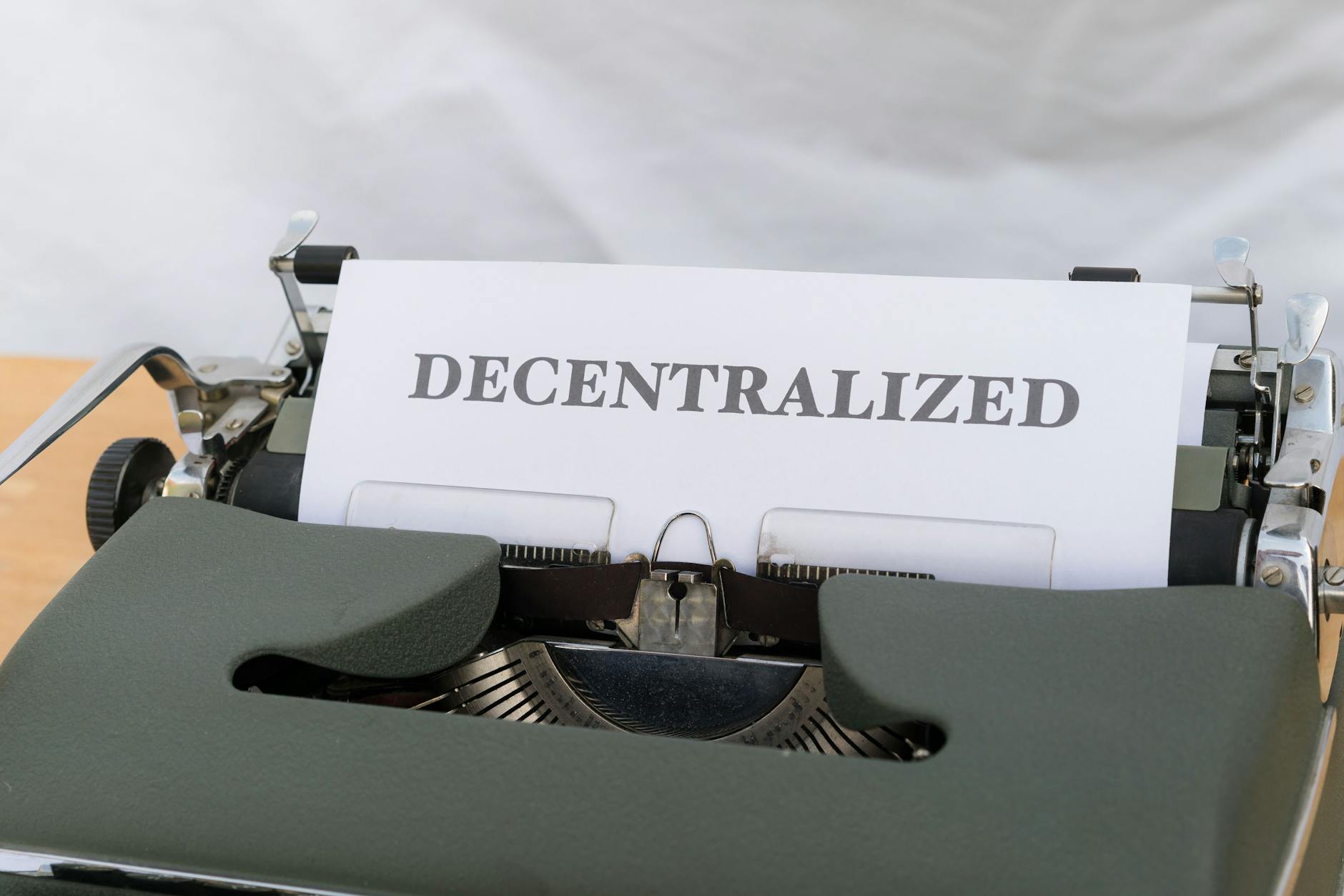
The initial wave of blockchain adoption was largely defined by standardized token protocols like ERC-20 on the Ethereum network. These standards provided a foundational framework for creating fungible digital assets, enabling a surge of innovation in decentralized finance (DeFi) and crowdfunding. However, as the industry matures, developers and entrepreneurs are increasingly recognizing the limitations of a one-size-fits-all approach. The demand is shifting from generic tokens to highly tailored assets designed to serve specific business, governance, or utility functions.
Core Components of Token Design
Creating a digital asset involves more than just defining a name and a symbol. The underlying mechanics, often referred to as tokenomics, dictate the asset’s behavior, value proposition, and role within its ecosystem. Key parameters that can be adjusted include the total supply, which can be fixed, inflationary, or deflationary through burn mechanisms. Distribution schedules, such as vesting periods for team members and investors, are also critical for long-term project stability. Furthermore, advanced features like governance rights, transaction fees or taxes, and specific utility functions (e.g., access to services) can be embedded directly into the token’s smart contract.
The Importance of Tailored Tokenomics
A project’s success is often intrinsically linked to the design of its native token. A well-designed asset aligns the incentives of all stakeholders—developers, users, and investors—to foster growth and sustainability. For example, a decentralized autonomous organization (DAO) requires a token with robust governance features, allowing holders to vote on proposals. In contrast, a gaming platform might need a token with inflationary rewards to incentivize participation, while a project focused on being a store of value may implement a deflationary mechanism to create scarcity. The ability to fine-tune these economic and functional properties is essential for building a resilient and purpose-driven digital economy.
Technical Solutions for Token Creation
Historically, deploying a token with unique features required deep expertise in smart contract programming languages like Solidity. This created a significant barrier to entry for many innovators. Today, the landscape is changing with the emergence of no-code and low-code platforms that democratize the token creation process. These solutions provide user-friendly interfaces that allow creators to define and deploy complex token structures without writing a single line of code. Platforms are now offering sophisticated tools to help projects launch tokens with specific, pre-audited functionalities. A comprehensive suite of tools for such purposes can be explored at https://20lab.app/. This evolution allows teams to focus on their core business logic rather than on the intricate complexities of smart contract development.
The Future of Asset Tokenization
The move toward bespoke digital assets signifies a more mature and sophisticated phase of the blockchain industry. As tokenization extends to real-world assets like real estate, art, and securities, the need for deep customization will only intensify to accommodate regulatory requirements and unique asset characteristics. This trend empowers creators to build more intricate and effective economic models, ultimately paving the way for a more diverse and functional tokenized world.
Disclaimer: This article is for informational purposes only and does not constitute financial, investment, or legal advice. The cryptocurrency market is highly volatile and speculative. Always conduct your own research and consult with a qualified professional before making any investment decisions.